

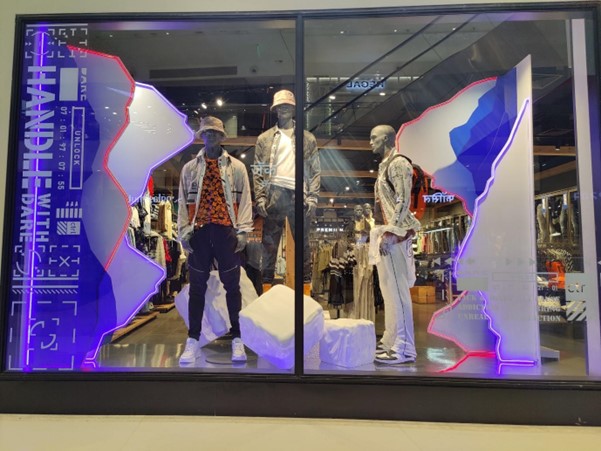
Ever walked into a store for “just one item” and walked out with a full shopping bag?
That’s not a coincidence, it’s visual merchandising psychology at work. Retailers know that the way products are displayed, the layout of the aisles, and even the lighting can subtly influence what you buy, how long you stay, and how much you spend.
In this post, we’ll explore the fascinating psychology of store layouts, uncover how they influence buying decisions, and share practical tips for creating a store design that truly works.
What Is Visual Merchandising Psychology?
Visual merchandising psychology is the art and science of designing retail store layouts to create a specific shopping experience. It’s not just about making a store look attractive, it’s about strategically arranging space, displays, and products to influence behavior.
From the moment a customer steps into your store, every design choice from aisle width to lighting can affect their mood, pace, and purchasing decisions.
The Psychology of Store Layouts
1. First Impressions Matter
The first 5–15 feet inside your entrance are known as the decompression zone. This is where shoppers adjust to the new environment, making them less likely to notice products right away. Smart retailers use this space to set the tone—think open layouts, inviting displays, and a clear path forward.
2. Flow and Navigation
One of the most fascinating aspects of store layout psychology is that most customers tend to turn right upon entering. Knowing this, retailers often place high-demand or seasonal items in the right-hand path. Wide aisles encourage a relaxed browsing pace, while narrower aisles create a sense of urgency.
3. Product Positioning
The classic retail mantra Eye level is buy level still holds true. Placing best-sellers or high-margin products at eye level increases their chances of being noticed and purchased. Meanwhile, complementary products placed nearby encourage add-on sales.
3. Emotional Triggers in Visual Merchandising
Visual Merchandising Taps into Our Senses:
- Color Psychology: Warm colors (reds, oranges) can create excitement and urgency, while cool tones (blues, greens) can convey calm and trust.
- Lighting Effects: Bright, focused lighting draws attention to products; softer lighting creates a premium ambiance.
- Music & Scents: Background music can influence browsing time, and signature scents can create brand recall.
Store Layout Types & Their Psychological Impact
Different Retail Store Layouts Trigger Different Behaviors:
- Grid Layout: Efficient and familiar; perfect for supermarkets where speed and convenience are key.
- Free-Flow Layout: Encourages exploration; common in boutiques and premium stores.
- Loop/Racetrack Layout: Guides customers along a fixed path, ensuring they see the entire store.
How Store Layout Influences Consumer Behavior
A Well-Designed Store Layout Can:
- Increase impulse buying by placing small, tempting items near checkout.
- Use scarcity (limited stock displays) to trigger urgency.
- Tell a story through themed displays, making products more relatable and desirable.
- Tips for Retailers
If You Want to Apply Visual Merchandising Psychology Effectively:
- Blend function with creativity: a beautiful layout must also be easy to navigate.
- Refresh regularly: shoppers notice change, which keeps them engaged.
- Analyze shopper flow: use heat maps or foot traffic data to understand movement patterns and adjust accordingly.
Conclusion
The way your store looks isn’t just a matter of style—it’s a silent conversation with your customers. A smart retail store layout uses psychology to guide movement, spark emotions, and encourage purchases.
By understanding how store layout design affects behavior, you can create a shopping experience that not only looks good but also boosts your bottom line.
If you’re ready to apply visual merchandising psychology to your retail strategy, explore how PPMS can help create impactful store layouts that influence buying behavior.”
