

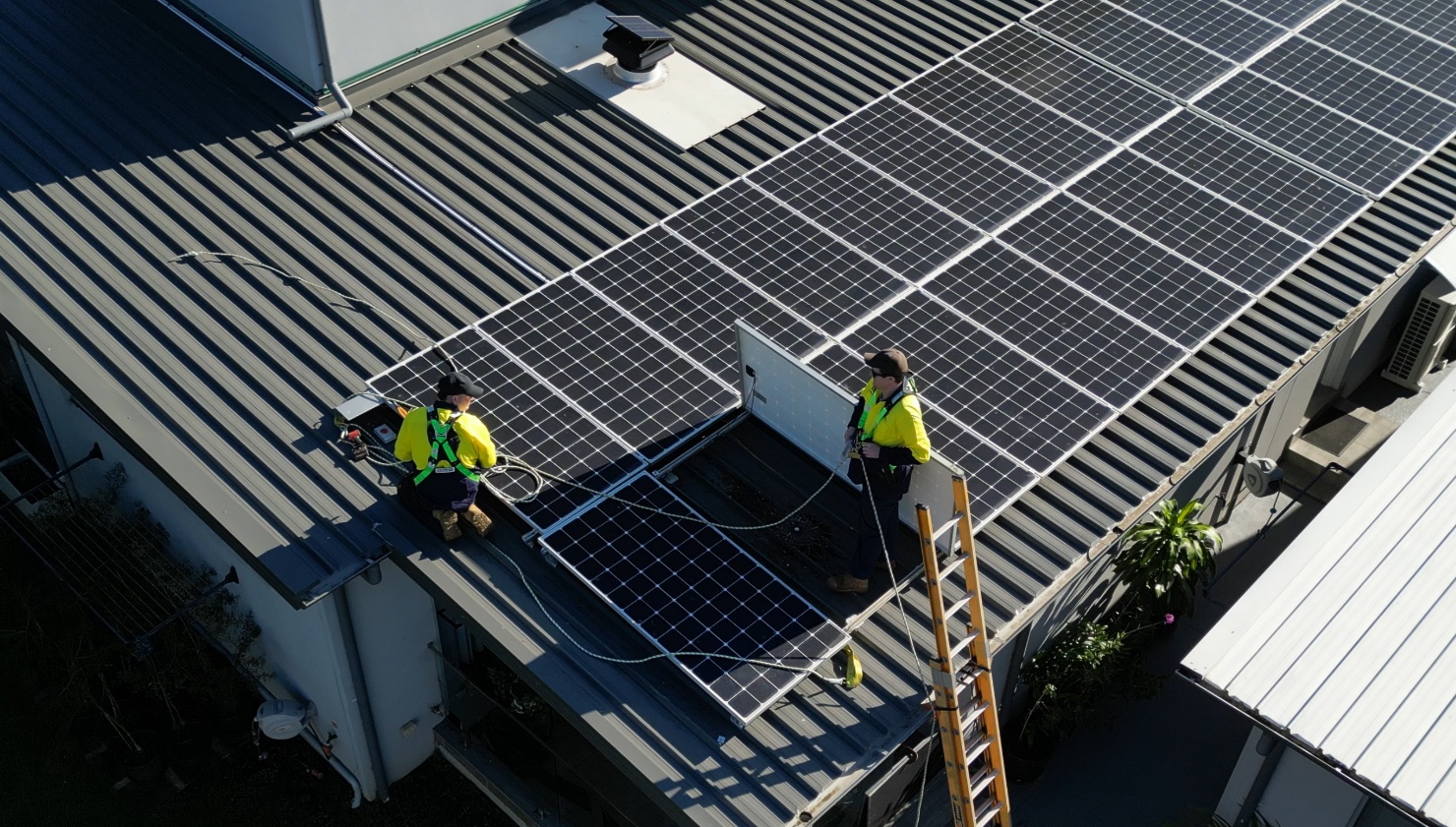
Sunshine Coast solar systems operate in an environment shaped by salt air, humidity, strong sunlight, seasonal storms and fast-growing vegetation. These conditions do not always cause immediate failure, but they can gradually affect wiring, mounting hardware, seals, electrical enclosures and overall system performance. Preventive solar inspections help identify these changes while they are still manageable. The goal is not to assume that every solar system has a fault, but to establish its condition and address genuine risks before they become costly or disruptive.
Hidden Deterioration Can Develop
Many critical solar system components cannot be properly assessed from ground level. Cables, connectors, isolators, seals, mounting rails and rooftop attachment points may deteriorate while the solar panels continue generating electricity. Salt air and moisture can contribute to corrosion around exposed metal components, while heat and ultraviolet exposure may gradually degrade plastic housings, cable insulation and protective seals.
A preventive solar inspection can identify these early signs of deterioration before they affect a larger portion of the installation or lead to more significant repairs.
A System Can Underperform Without Stopping
A residential solar system can continue operating even when one panel, electrical connection or section of the array is producing less power than expected. The home simply draws additional electricity from the grid, often without any obvious warning signs.
Monitoring data may reveal a gradual decline in energy production, shorter daily generation periods or repeated inverter shutdowns. When combined with a professional physical inspection, this information provides a much clearer understanding of the system’s overall condition and helps identify the underlying cause of reduced performance.
Inspections Establish a Baseline
A professional Solar Panel Inspection in Sunshine Coast can document the condition of the solar panels, frames, mounting hardware, wiring, isolators and inverter. It may also identify shading, surface contamination, corrosion or previous storm damage. Establishing this baseline allows future inspections to be compared against documented evidence rather than relying on memory.
This is particularly valuable when purchasing a home with an existing solar system that has little or no recorded maintenance history.
Severe Weather May Cause Localised Damage
Heavy rain, hail and strong winds can damage one part of a solar system without causing the entire installation to stop working. A damaged seal, shifted mounting clamp or affected cable may go unnoticed while continued exposure to the weather allows the problem to worsen.
Following severe weather, homeowners should review inverter messages and generation data for any unusual changes. A sudden drop in energy production, repeated inverter errors or visible movement of rooftop components should prompt a professional solar inspection. Roof access after major storms should always be avoided.
Early Attention Can Limit Repair Work
A loose component or deteriorating cable may require only minor repairs when identified early. However, continued exposure to moisture, heat and wind can allow the issue to spread and affect surrounding equipment.
While preventive inspections cannot eliminate every future fault, they can reduce uncertainty, support earlier intervention and provide time to plan repairs before more extensive work becomes necessary. They also help distinguish urgent safety issues from lower-priority maintenance items.
Cleaning and Inspection Are Different
Solar panels in coastal areas can accumulate salt residue, dust, leaves and bird droppings. Professional cleaning removes surface contamination, but it does not assess electrical connections, mounting stability or the condition of enclosure seals.
A professional inspection may recommend solar panel cleaning where contamination is affecting performance. It may also determine that reduced energy production is caused by shading, inverter faults or damaged wiring instead. Choosing the right service helps prevent repeated cleaning from delaying the technical diagnosis of an underlying fault.
Maintenance Should Reflect Local Conditions
Professional Residential Solar Maintenance in Australia should always reflect the local climate and the property’s specific level of environmental exposure. On the Sunshine Coast, factors such as proximity to the ocean, roof height, prevailing winds, surrounding vegetation, equipment age and storm history all influence maintenance requirements.
Homes located close to the coastline may require more frequent inspections for corrosion, while heavily vegetated properties may need greater attention to shading and organic debris. There is no single maintenance schedule that suits every solar installation.
Reports Should Lead to Action
A professional inspection report should clearly explain what was assessed, what was found and what actions are recommended. Urgent electrical or mounting issues should be distinguished from cleaning requirements, routine maintenance and items that simply require ongoing monitoring.
Homeowners should ask which component has been affected, what evidence supports the finding and whether repair is a practical option. Complete system replacement should not be assumed when targeted repairs can restore safe and reliable operation.
Keep Inspection Evidence
Inspection photographs, service reports, inverter messages and historical generation records should all be stored together. These documents make it easier to identify whether corrosion, shading or declining performance is progressing over time.
Maintaining a well-documented service history also helps future technicians understand previous findings and avoids repeating earlier investigations unnecessarily.
Conclusion
Preventive solar inspections are especially valuable for Sunshine Coast homeowners because environmental wear can develop long before a complete system failure occurs. Regular inspections establish a performance baseline, identify hidden deterioration and support timely, evidence-based repair decisions.
By combining routine monitoring with professional assessments, homeowners can protect serviceable equipment, respond to genuine issues rather than assumptions and maintain safer, more reliable solar performance for the long term.
