

Late-night dessert service presents a different set of challenges from daytime cafe or bakery operations. Customer traffic may be unpredictable, staffing levels may be lower, and the kitchen often needs to work with fewer ingredients while still offering something that feels special. A menu that is too complicated can quickly become difficult to manage after a long day of service.
Whipped toppings can be useful in this setting because they work across drinks, cakes, waffles, brownies, and other simple desserts. When cream-charger systems are used correctly for culinary purposes, they can help businesses maintain a polished presentation without requiring a large amount of extra preparation.
Keep the Late-Night Menu Focused
A compact menu is often more effective than a large one during late service. Instead of offering every dessert available during the day, businesses can select a smaller group of reliable items that are quick to assemble and popular with customers.
Brownies, cake slices, waffles, hot chocolate, milkshakes, and coffee-based desserts can all work well because they are familiar and easy to customize with toppings.
Use Versatile Components Across Several Items
Late-night kitchens benefit from ingredients that can serve more than one purpose. Culinary products such as galaxy gas are associated with cream-charger applications used with compatible food-preparation equipment. In a simple dessert setup, this type of system can support suitable aerated toppings that work across both drinks and plated sweets.
Using one reliable whipped component across several menu items can reduce storage needs and make the station easier to manage.
Prepare for Unpredictable Demand
Late-night business can change quickly. A quiet hour may suddenly be followed by a rush after a local event, movie, concert, or dinner service. For that reason, kitchens should avoid preparing too much perishable product while still keeping enough ready for sudden demand.
A flexible preparation system allows staff to respond without creating unnecessary waste.
Keep Flavor Choices Simple
Late-night menus do not need an extensive list of topping flavors. A few dependable choices such as vanilla, chocolate, coffee, or one rotating seasonal option are usually enough. These flavors can support several menu items and reduce the number of specialty ingredients that need to be stored.
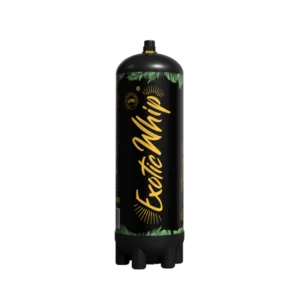
A culinary option such as Exotic whip can fit within an appropriate cream-charger workflow for food preparation. This can support aerated toppings while keeping the broader process familiar for staff working later shifts.
Make Presentation Fast and Repeatable
Customers may still expect desserts to look attractive even when they are ordering late at night. A simple whipped finish can add height and contrast without requiring a complicated plating process. The key is to standardize the look.
Reference photos can help staff understand where the topping should be placed and how much is appropriate for each item.
Reduce Waste at Closing Time
Late-night operations need to pay particular attention to end-of-shift waste. Preparing a full batch of an ingredient shortly before closing may result in unnecessary leftovers. Staff should be trained to adjust preparation amounts as the night progresses.
Sales patterns can help managers decide how much product should be kept ready during the final hours of service.
Keep the Station Easy to Clean
A complicated station can make closing procedures much longer. Late-shift teams often benefit from a setup with fewer tools, fewer open ingredients, and clear cleaning responsibilities.
Cream-dispensing equipment should be cleaned according to manufacturer instructions, while dairy-based ingredients should remain properly refrigerated. Pressurized culinary products should also be stored safely and protected from excessive heat or damage.
Support Smaller Staff Teams
Late-night shifts may operate with fewer employees than daytime service. This makes efficient station design especially important. One employee may be responsible for desserts, drinks, packaging, and customer service at the same time.
Keeping ingredients close to the assembly area and minimizing repeated preparation steps can help smaller teams work more comfortably.
Use Sales Data to Refine the Menu
Late-night menus should evolve based on what customers actually order. If certain desserts rarely sell after a specific hour, they may not need to remain available. Popular combinations can be highlighted instead.
This helps reduce inventory and allows staff to focus on items that generate the most demand.
Conclusion
Late-night dessert service works best when the menu is compact, flexible, and easy for a small team to manage. Versatile ingredients, simple flavor choices, clear portion standards, and efficient station design can help businesses maintain quality without creating unnecessary complexity.
Cream-charger systems can support this type of operation when used responsibly for culinary applications. With thoughtful preparation and careful waste control, late-night dessert service can remain both practical and visually appealing.
