

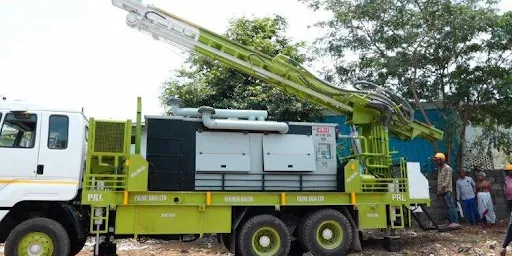
A drilling project can look straightforward on paper until the team reaches the site. Uneven terrain, narrow access routes, changing ground conditions, and limited infrastructure can quickly turn equipment movement into a major operational challenge. This is one reason portable drilling rig manufacturers are placing greater emphasis on mobility, compact design, and adaptable performance.
Portable drilling systems are no longer viewed simply as smaller alternatives to conventional rigs. Their engineering has developed to support demanding applications while making transportation, setup, and relocation more manageable. For contractors working across multiple sites, this flexibility can directly influence productivity, project costs, and equipment utilization.
Mobility Is Changing Equipment Planning
Equipment selection once focused heavily on drilling depth, power, and structural strength. These factors remain important, but mobility has become equally valuable for many modern projects.
A portable rig can be transported between locations with fewer logistical complications. This is especially useful when contractors handle several smaller projects or operate in areas where heavy machinery is difficult to move.
Difficult Sites Demand Greater Adaptability
Not every drilling location provides ideal working conditions. Construction sites may have restricted access, while groundwater projects can extend into rural or remote areas. Geological conditions can also change significantly between locations.
Portable drilling equipment provides contractors with greater adaptability in such environments. Compact configurations can make it easier to reach areas that conventional machines may struggle to access. This versatility is a key advantage offered by experienced drill machine companies developing equipment for diverse operating conditions.
Compact Design Without Sacrificing Strength
Portable equipment must balance two seemingly opposite requirements. It needs to remain compact enough for transportation while retaining sufficient strength for demanding drilling operations.
Modern engineering addresses this challenge through improved structural materials, optimized component placement, and more efficient hydraulic systems. These developments allow manufacturers to reduce unnecessary bulk without compromising operational stability.
Hydraulic Systems Improve Operating Control
Hydraulic technology plays an important role in modern portable drilling equipment. Efficient hydraulic systems can provide the power and control required for drilling while supporting smoother machine operation. Leading portable drilling rig manufacturers continue improving hydraulic systems to deliver greater efficiency and operational control.
Better hydraulic performance contributes to drilling consistency and allows operators to adjust machine functions according to changing ground conditions.
Portable Systems Across Multiple Industries
The usefulness of portable drilling technology extends across several sectors. Groundwater projects can benefit from equipment capable of reaching rural and difficult locations. Construction companies may use portable systems for foundation and site preparation work.
Mining and geological exploration can also require equipment that can be moved across changing terrain. Agricultural projects may need drilling solutions that can operate across scattered locations rather than within a single fixed site.
Conclusion
Portable drilling technology is changing how contractors approach equipment selection, transportation, and project planning. Greater mobility, compact engineering, improved hydraulic systems, digital monitoring, and adaptable configurations allow modern rigs from drill machine companies to serve a wider range of applications.
As project locations become more diverse and businesses look for better equipment utilization, portable drilling solutions are likely to remain an important part of industry development. Prime Rigs continues to be part of this evolving landscape by supporting dependable drilling equipment designed around modern operational requirements.
