

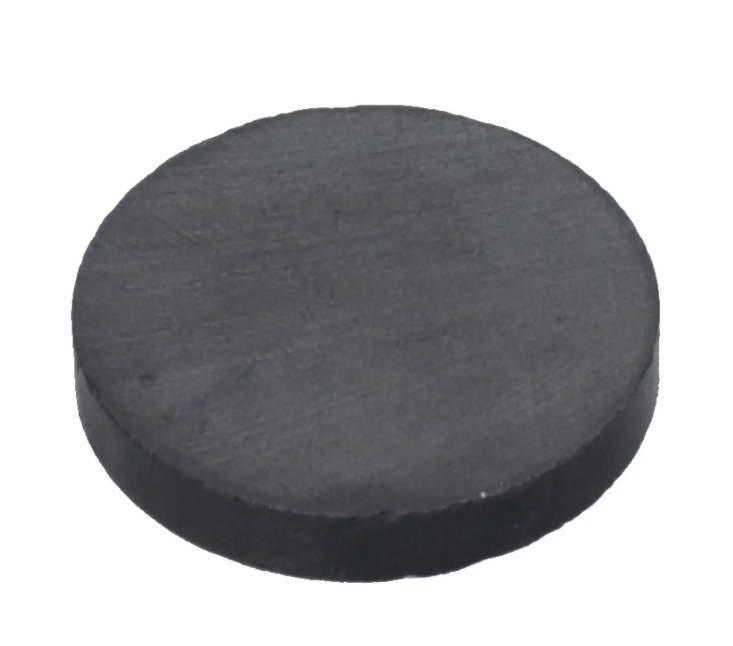
Industrial technology continues evolving toward faster automation, compact machinery, and energy-efficient systems. Despite these advancements, many industries still rely on materials that have been trusted for decades because of their stability and cost effectiveness. One of the best examples is ceramic ferrite magnets, which remain widely used across manufacturing, electrical systems, and industrial machinery.
Even with the availability of stronger rare earth magnets, industrial ferrite magnet solutions continue to hold an important place in modern engineering because of their durability, affordability, and dependable long-term performance.
A Material Built for Industrial Reliability
Ferrite magnets are manufactured using iron oxide combined with ceramic compounds. This composition creates a hard and corrosion-resistant magnetic material capable of operating reliably in demanding environments.
Unlike some high-strength magnets that require additional surface protection, ceramic ferrite magnets naturally resist moisture and oxidation. This makes them highly practical for industrial systems exposed to dust, humidity, and continuous operation.
Their durability allows manufacturers to use them in equipment designed for long service life with minimal maintenance requirements.
Why Industries Still Prefer Ferrite Magnets
Not every industrial system requires extremely high magnetic force. In many applications, stable magnetic performance and operational reliability matter more than maximum strength.
An industrial ferrite magnet is often selected because it provides:
- Consistent magnetic stability
- Corrosion resistance
- Lower production cost
- Good temperature tolerance
- Reliable long-term operation
These advantages make ferrite magnets especially useful in high-volume industrial manufacturing where cost efficiency is important.
Many companies continue choosing ferrite magnets because they balance performance and affordability more effectively for standard industrial tasks.
Common Equipment That Uses Ferrite Magnets
Ferrite magnets are integrated into a wide range of industrial and commercial systems. Their versatility allows them to support both heavy industrial operations and everyday manufacturing equipment.
They are commonly used in:
- Electric motors
- Conveyor systems
- Magnetic separators
- Industrial sensors
- Audio equipment
- Pump systems
In many of these applications, magnetic consistency is more valuable than extreme magnetic strength. Ferrite magnets provide dependable performance while helping reduce overall equipment cost.
Stability Under Demanding Conditions
Industrial systems often operate continuously under vibration, temperature fluctuations, and environmental exposure. Magnetic materials used in these systems must maintain reliable performance over long production cycles.
Ceramic ferrite magnets perform particularly well in conditions involving:
- Moisture exposure
- Dust filled environments
- Moderate heat
- Outdoor industrial operations
Their resistance to corrosion allows them to maintain stability without requiring expensive protective coatings.
This reliability makes ferrite magnets suitable for industries focused on operational consistency and reduced maintenance downtime.
Comparing Ferrite Magnets With Stronger Magnet Types
Rare earth magnets such as neodymium magnets are known for producing much stronger magnetic force. However, stronger magnetic power is not always necessary.
Industrial ferrite magnet products remain practical when:
- Space limitations are less critical
- Moderate magnetic strength is sufficient
- Large production volumes are involved
- Budget efficiency matters
Ferrite magnets may be larger than neodymium alternatives for the same magnetic output, but they often provide excellent value in standard industrial applications.
Many manufacturers choose ferrite magnets because they deliver stable performance at a more economical cost.
Supporting Modern Manufacturing Systems
As industrial automation continues growing, manufacturers require magnetic materials that support efficient production while remaining affordable for large scale equipment deployment.
Ferrite magnets continue contributing to:
- Manufacturing automation
- Material handling systems
- Industrial control equipment
- Electrical machinery
- Production line efficiency
Their long operational life and stable magnetic behavior make them dependable for systems expected to run continuously over extended periods.
The Future of Ferrite Magnet Applications
Although advanced magnetic materials continue developing, ferrite magnets are expected to remain important in industries where durability and cost effectiveness are priorities.
Manufacturers are also improving ferrite magnet production techniques to support better efficiency and more precise magnetic performance.
As industries balance performance needs with operational costs, ceramic ferrite magnets will likely continue serving as reliable solutions across many industrial sectors.
Conclusion
Ceramic ferrite magnets continue playing a valuable role in modern industrial equipment because of their durability, corrosion resistance, and dependable magnetic performance. While stronger magnetic materials are available, industrial ferrite magnet solutions remain highly practical for manufacturing systems that require long-term stability and cost efficiency.
Their reliability across motors, automation systems, and industrial machinery ensures they will remain important in industrial engineering for years to come. Companies looking for advanced magnetic materials and engineered industrial products can explore specialized solutions at regmetals.com.
