

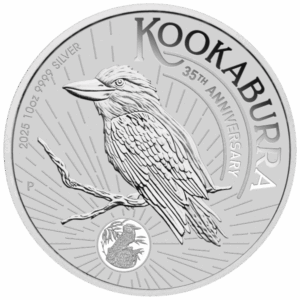
Silver buyers can choose from sovereign-mint coins, privately minted rounds, and bars in many sizes. Each format contains silver, but the ownership experience can differ because premiums, designs, packaging, storage space, and resale markets are not identical.
A buyer comparing australia kookaburra coins with larger bars should first decide whether the priority is a recognizable coin series, efficient bulk silver ownership, collectability, or simple bullion weight. That purpose will often matter more than the visual appeal of any one product.
Coins Can Carry More Than Metal Value
Government-minted silver coins often combine a stated precious-metal content with legal-tender status and a recognizable design. Certain annual series may also attract collectors who care about dates, finishes, mintages, and condition.
That additional interest can create premiums above ordinary bullion value. Buyers should decide whether they are comfortable paying for those features, because collectible demand can change and may not be recovered in full when the coin is sold.
Kookaburra Coins Have a Series Identity
Australian Kookaburra coins are associated with the Perth Mint and are known for changing kookaburra designs across annual issues. This series identity can appeal to buyers who enjoy a coin that has both bullion content and visual variety.
However, the price of an individual issue can reflect more than silver alone. Year, condition, finish, packaging, and market demand may influence the premium. Buyers should compare the exact coin rather than assuming all Kookaburras trade at the same markup. Buyers building a date set may therefore evaluate an issue differently from someone who only wants to accumulate ounces of silver at the lowest practical premium.
Why Larger Silver Bars Attract Bullion Buyers
For buyers focused on accumulating more silver in fewer pieces, 1 kilo silver bars can be a practical format. A kilo bar contains a substantial amount of metal in one unit, reducing the number of individual items that must be stored and tracked.
The trade-off is divisibility. If the owner later wants to sell only a small amount of silver, a kilo bar must generally be sold as one unit. Smaller bars or coins can provide greater flexibility for partial sales.
Storage Becomes More Important With Silver
Silver is less value-dense than gold, so that larger holdings can take up meaningful physical space. Kilo bars are efficient compared with many one-ounce pieces, but secure storage still needs to be planned before purchase. The physical weight also becomes noticeable as holdings grow, so shelf strength, safe capacity, and transport considerations can matter for larger accumulations.
Coins may require tubes, capsules, boxes, or other protective storage depending on the product. Buyers who care about condition should avoid unnecessary handling, because scratches or damaged packaging can affect collectible premiums even when the silver content is unchanged.
Compare Premium and Resale, Not Just Spot Price
Silver products are normally bought above the spot price and sold at a dealer bid that may be below retail. The size of that spread can vary by product, market conditions, and demand.
A lower-premium bar can be attractive for bullion accumulation, while a coin series may command a stronger premium in some markets. Neither outcome is guaranteed, so buyers should compare current buy and sell spreads before committing.
Know the Difference Between Bullion and Collectible Premiums
Two silver products containing similar amounts of metal can trade at very different prices because one may have collector demand, limited mintage, special packaging, or a sought-after date. Those features create a premium that is separate from the silver value itself.
Buyers should be comfortable with that distinction before paying extra. If the main goal is ounces of silver, a lower-premium bar may be more direct. If the goal includes collecting, a higher premium may be acceptable for different reasons.
Think About How Often You Want to Trade or Add
Someone adding silver gradually may prefer smaller pieces because purchases can be made in stages. A kilo bar generally requires a larger single outlay, which may suit a buyer who prefers fewer, larger transactions.
The same issue matters when selling. Smaller units can be released in portions, while a kilo bar is usually sold as one piece. Matching the format to expected buying and selling habits can reduce friction later.
Conclusion
Silver coins and kilo bars serve different practical purposes. Coins can provide recognized designs and possible collector interest, while kilo bars concentrate more silver into fewer units and can simplify bulk storage.
The decision should reflect premium, storage, divisibility, condition, and resale plans. Buyers who understand why they want silver in the first place are better positioned to choose a format that fits their needs without relying on assumptions about future price performance.
