

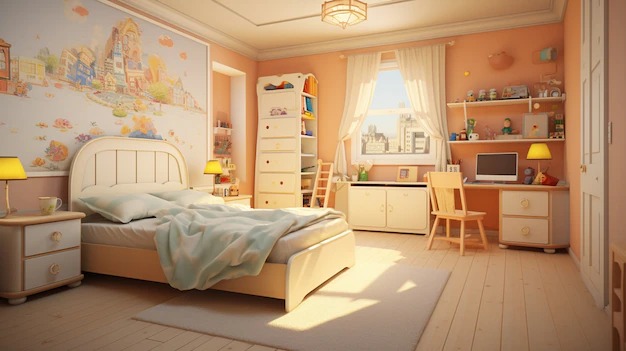
A bedroom should feel comfortable, practical, and easy to maintain throughout everyday life. profixspace.com offers useful inspiration for people exploring bedroom designs, furniture arrangements, and interior decorating ideas. Some bedrooms have plenty of space, while others require careful planning around limited floor areas. The right design depends on personal habits, available furniture, lighting, storage, and the amount of space people actually use. A beautiful bedroom does not necessarily need expensive furniture or complicated decoration. Sometimes changing the position of a bed or improving natural lighting can make a noticeable difference. Small decisions can gradually turn an ordinary room into a more comfortable place.
Choosing The Right Bed
The bed usually becomes the main feature of a bedroom because it occupies considerable floor space. Its size should match both the room dimensions and the number of people using it regularly. A large bed might look attractive, but it can make movement difficult inside a smaller bedroom. Before purchasing one, measure the available area and consider space for walking around the sides. Storage beds can also provide additional room for bedding, seasonal clothing, and other household items. The headboard deserves attention too, since its height, material, and shape influence the overall appearance. Simple wooden designs often work well when people want furniture that remains useful for several years.
Making Small Bedrooms Feel Spacious
Small bedrooms need thoughtful arrangements because unnecessary furniture can quickly make them feel crowded. Keeping the floor area reasonably clear allows people to move around without constantly adjusting their belongings. Wall mounted shelves, compact bedside tables, and wardrobes with sliding doors can help save useful space. Light wall colors may also make a room appear brighter when natural lighting is limited. Mirrors can reflect available light, although their placement should suit the room rather than simply covering every empty wall. Furniture with narrow frames can sometimes provide enough storage without appearing too heavy. The main idea is using available space carefully instead of trying to fit every attractive furniture piece inside.
Selecting Suitable Wall Colors
Wall colors can change how a bedroom feels during different parts of the day. Soft beige, cream, pale green, muted blue, and warm white can create a relaxed appearance without requiring elaborate decoration. Darker colors may also work well when the room receives enough light and the furniture complements them. However, painting every wall with a strong shade can make smaller bedrooms appear visually crowded. An accent wall behind the bed provides another option for introducing color without overwhelming the room. Paint samples should be checked under natural and artificial lighting before making the final choice. The same color can look noticeably different depending on sunlight and nearby furniture.
Planning Useful Storage Areas
Bedroom storage should make everyday belongings easier to locate rather than simply hiding everything away. Wardrobes need enough space for regularly worn clothes, while drawers can hold smaller items that otherwise collect on furniture surfaces. Underbed storage is useful when the room lacks additional cupboards or cabinets. People can also use baskets for blankets, laundry, accessories, or items that need quick access. Storage arrangements should reflect actual habits because complicated systems rarely remain organized for long. Frequently used belongings deserve convenient places, while seasonal items can stay in less accessible areas. A practical storage plan reduces clutter without making the bedroom feel like a collection of cupboards.
Using Natural Light Properly
Natural light can make a bedroom feel more welcoming during the daytime. Window placement, curtain thickness, furniture height, and nearby objects can influence how much sunlight enters the room. Heavy curtains may provide privacy, but they can also block useful daylight when kept closed. Lightweight curtains or adjustable blinds provide greater flexibility for different lighting conditions. A desk or reading chair can sometimes be positioned near a window when enough space remains available. Tall wardrobes should not unnecessarily block important sources of natural light. Good window arrangements help the bedroom remain comfortable without depending completely on artificial lighting throughout the day.
Choosing Comfortable Bedroom Lighting
Bedroom lighting should support several activities instead of relying on one bright ceiling fixture. General lighting helps people move around, while bedside lamps provide more focused light for reading or other quiet activities. Adjustable lights can be particularly useful when different people share the same bedroom. Warm lighting often creates a softer appearance during the evening, although brighter light may remain necessary for dressing or cleaning. Switch placement also deserves attention because reaching across furniture to control lights becomes inconvenient. People can consider separate controls near the entrance and bedside when the room layout allows. A practical lighting arrangement improves convenience without requiring complicated electrical decoration.
Arranging Furniture With Purpose
Furniture placement affects how easily people move through a bedroom during normal daily activities. The bed should usually remain accessible without blocking wardrobe doors, windows, or important walking paths. Bedside tables can provide convenient storage, but oversized tables may create unnecessary obstacles. A dressing table should have enough surrounding space for comfortable use. Bedrooms containing work desks may require additional attention because chairs need room to move backward. Drawing a simple floor plan before moving furniture can help identify possible problems. Even shifting one large piece slightly can sometimes improve the entire arrangement. Furniture should support daily routines rather than simply fill every available corner.
Adding Personal Decorative Details
Decoration helps a bedroom reflect personal preferences without requiring constant changes to the furniture. Framed photographs, artwork, cushions, rugs, plants, and small decorative objects can introduce character gradually. The number of decorative pieces matters because too many items may create visual clutter. A few carefully selected objects can provide enough personality without making cleaning difficult. Wall artwork should also suit the available space and furniture proportions. Large pictures may work above a wide bed, while smaller arrangements can suit narrow walls. Personal decoration becomes more useful when it complements the room instead of competing with every other design feature.
Keeping Bedroom Textiles Practical
Bedding, curtains, rugs, and cushion covers influence both comfort and appearance throughout the bedroom. Cotton bedding can be comfortable for regular use, while different fabrics may suit changing weather conditions. Choosing washable materials makes ordinary cleaning easier and helps maintain freshness. Rugs should fit the room dimensions without blocking doors or creating awkward walking areas. Curtain colors can connect with bedding or furniture, although exact matching is not always necessary. Textures can also create variety when colors remain relatively simple. Practical textiles should feel comfortable, suit the local climate, and remain manageable during regular household cleaning.
Conclusion
A comfortable bedroom usually develops through thoughtful choices rather than expensive furniture or complicated decoration. Bed placement, wall colors, storage, natural lighting, furniture arrangements, and suitable textiles can all improve everyday use. Small rooms may need compact furniture, while larger bedrooms can accommodate additional seating or workspace. The most useful design remains connected with personal routines and available space. profixspace.com can provide additional inspiration for readers exploring bedroom designs and practical interior ideas. With careful planning, even familiar furniture and simple decorative changes can create a bedroom that feels organized, comfortable, and suitable for everyday living.
Read also :-
