

In industries that operate under extreme heat, mechanical stress, and chemical exposure, material selection plays a critical role in performance and reliability. Advanced ceramics such as Boron Nitride Rod and Boron Carbide Plate are widely used in these demanding environments due to their unique properties and durability.
These materials are designed to perform where traditional metals and standard ceramics may fail. Understanding their characteristics and applications helps engineers and industrial buyers choose the right solution for high-performance systems.
Overview of Boron Nitride Rod
A boron nitride rod is made from a ceramic material known for its excellent thermal stability and electrical insulation. It is often compared to graphite because of its machinability, but it offers better oxidation resistance at high temperatures.
Boron nitride rods are soft compared to other ceramics, which allows them to be easily shaped and machined into complex components. This makes them suitable for applications that require precise dimensions and custom designs.
Key Properties of Boron Nitride Rod
Boron nitride rods offer several important advantages in extreme environments. They provide excellent thermal resistance and can withstand high temperatures without losing structural stability. This makes them ideal for furnace components and thermal systems.
They are also strong electrical insulators, even at elevated temperatures. This property is important in electronic and high-voltage applications. Boron nitride has low friction, which allows it to perform well in applications where smooth movement is required. It also resists chemical attack, making it suitable for use in corrosive environments.
Applications of Boron Nitride Rod
Boron nitride rods are widely used in industries that require heat resistance and electrical insulation. In furnace systems, these rods are used as supports and insulating components. They help maintain stability while preventing electrical conductivity.
In metal processing, they are used in molds and fixtures where high temperatures are present. They are also used in semiconductor manufacturing, where clean and stable materials are required to avoid contamination.
Overview of Boron Carbide Plate
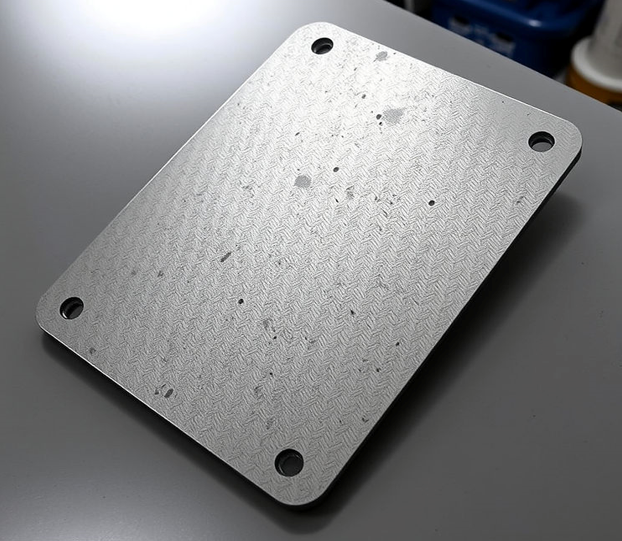
A boron carbide plate is one of the hardest materials available, second only to diamond in hardness. It is designed for applications that require extreme wear resistance and high strength.
Boron carbide plates are known for their ability to withstand mechanical stress and abrasive conditions. This makes them ideal for protective and structural applications.
Key Properties of Boron Carbide Plate
Boron carbide plates offer several unique properties that make them suitable for harsh environments. They have extremely high hardness, which provides excellent resistance to wear and abrasion. This makes them useful in applications where materials are exposed to constant friction.
They are lightweight compared to many other hard materials, which is beneficial in applications where weight is a concern. They also offer good chemical resistance, allowing them to perform well in corrosive environments.
Applications of Boron Carbide Plate
Boron carbide plates are used in a wide range of industrial and protective applications. In industrial equipment, these plates are used as liners in systems that handle abrasive materials. They help extend the life of equipment and reduce maintenance needs.
They are also used in defense and security applications due to their strength and lightweight nature. In manufacturing systems, boron carbide plates are used in cutting tools and wear-resistant components.
Comparing Their Roles in Extreme Conditions
While both materials are designed for extreme environments, they serve different purposes. A boron nitride rod is best suited for applications that require thermal stability, electrical insulation, and ease of machining. It is ideal for controlled environments where precision and heat resistance are important.
Boron carbide plates are better suited for applications that involve heavy wear, impact, and abrasion. It provides protection and durability in systems exposed to mechanical stress. By understanding these differences, engineers can select the right material based on the specific demands of their application.
Conclusion
Boron nitride rods and boron carbide plates are high-performance materials that offer reliable solutions for extreme industrial conditions. Each material brings unique advantages, from thermal stability and insulation to hardness and wear resistance.
Selecting the right material depends on the specific requirements of the application. With the right choice, industries can improve efficiency, reduce maintenance, and ensure long-term performance in challenging environments.
