


When people search for “Zach McGowan interviews the 100,” they expect direct answers sometimes. Most interviews actually avoid revealing major story details clearly. Instead, they focus on how scenes are approached during filming. Zach McGowan often explains physical acting techniques in simple terms. These insights feel practical rather than dramatic or exaggerated. The conversations stay grounded and focus on process more than outcomes.
Physical acting becomes central when portraying grounded characters consistently.
Playing a grounder requires more than just delivering dialogue clearly. Movement, posture, and reaction speed all contribute to character identity. In Zach McGowan’s interviews with the 100, this aspect is discussed repeatedly. It shows how physical control shapes how viewers perceive characters. The idea of the grounder, like Octavia, connects to this approach directly. Both rely on body language to communicate strength and intent.
Voice modulation plays a role in maintaining consistent character tone.
Grounder characters often use a specific tone that feels controlled and measured. Actors adjust pitch and pacing to match this style during scenes. Zach McGowan interviews the 100, highlighting how voice supports character identity. It is not about sounding dramatic but about staying consistent across episodes. The grounder, like Octavia’s style, also reflects this vocal discipline clearly. It helps maintain a unified presentation across different situations.
Interview content explains the preparation methods used before filming scenes.
Preparation usually includes understanding context and physical positioning beforehand. Actors rehearse movements as much as they practice delivery lines. In the Zach McGowan interviews, the 100 often mentions this preparation step briefly. It shows how scenes require coordination beyond simple acting. The grounder-like Octavia concept also involves this preparation heavily. It ensures that actions match the tone of the environment consistently.
Grounder portrayal relies on consistency rather than frequent variation.
Characters do not shift behavior dramatically from one scene to another without reason. This consistency helps maintain a believable identity across episodes. In Zach McGowan’s interviews with the 100, maintaining this balance is explained clearly. It avoids confusion and keeps character actions predictable in structure. The grounder, like Octavia’s representation, follows this same principle closely. It reflects discipline rather than spontaneity in most situations.
Interviews highlight coordination between actors during group scenes.
Scenes involving multiple grounders require synchronized movement and reactions. Actors must remain aware of each other’s timing during these moments. Zach McGowan interviews the 100 to provide insight into this coordination process. It shows how teamwork influences the outcome on screen. The grounder-like Octavia scenes often demonstrate this coordination clearly. It creates a unified group presence instead of isolated performances.
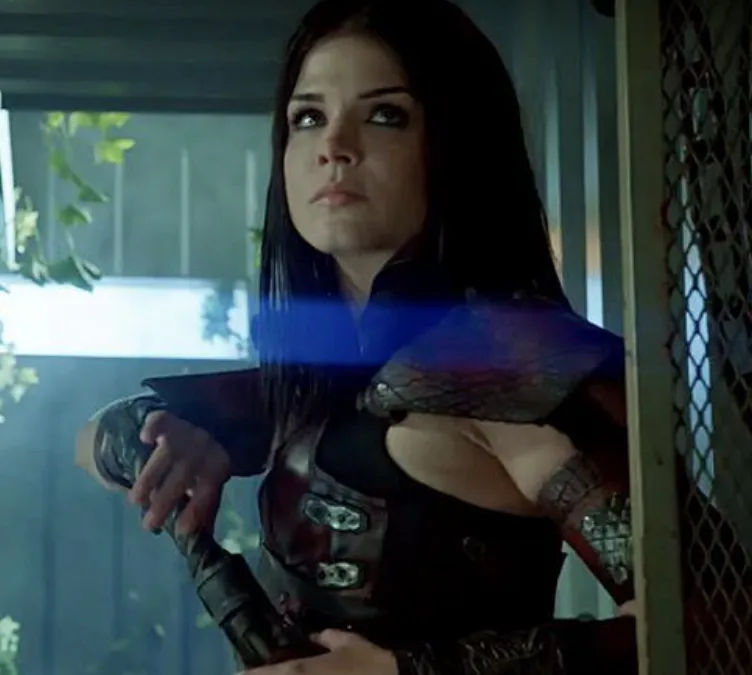
Costume and appearance affect how actors approach their roles physically.
Wearing armor, face paint, or specific clothing changes movement patterns naturally. Actors adjust posture and gestures based on these visual elements. Zach Mcgowan interviews the 100 to discuss how costumes influence performance choices. It is not just visual design but also functional for acting style. The grounder, like Octavia, identity that includes these physical adjustments as well. It reinforces the character through appearance and movement combined.
Emotional restraint becomes important for maintaining grounded performance.
Grounder characters often avoid exaggerated emotional reactions in most situations. This restraint creates a controlled and focused tone across scenes. The Zach McGowan interviews highlight this approach clearly. It helps maintain consistency with the environment and narrative structure. The grounder, like Octavia’s style, also reflects this emotional control effectively. It emphasizes action over expression in many cases.
Practical challenges during filming require adaptability from actors constantly.
Filming conditions can change quickly, requiring actors to adjust without delay. Weather, location, and scheduling all affect how scenes are performed. Zach McGowan interviews the 100, mentioning these challenges briefly but clearly. It shows how flexibility is part of the acting process. The grounder, like Octavia’s portrayal, must adapt to these conditions as well. It maintains consistency despite external changes during production.
Audience perception connects closely to subtle performance details.
Small gestures and reactions influence how viewers interpret characters overall. These details may not be obvious, but they still shape perception significantly. Zach McGowan interviews the 100 to explain how subtle choices matter. It is not about large actions but about consistent small behaviors. The grounder, like Octavia, relies on these details heavily. It creates depth without requiring complex dialogue or explanation.
Interviews avoid over-explaining and keep focus on practical insights mostly.
Most responses stay concise and focused on the technical aspects of acting. They do not attempt to explain every detail of the storyline. Zach McGowan interviews the 100, following this pattern consistently. It keeps the conversation relevant and easy to follow. The grounder-like Octavia discussion also stays grounded in practical terms. It avoids unnecessary complexity while still providing useful information.
Understanding interview insights helps improve the viewing experience overall.
Knowing how actors approach their roles adds context to scenes. It helps viewers notice details that might otherwise be missed. Zach McGowan interviews the 100 to provide this additional perspective clearly. The grounder-like Octavia concept becomes easier to understand with this context. It connects performance choices with what appears on screen. This understanding improves overall engagement with the series.
Conclusion
Interviews provide a practical look into how grounded characters are built and performed. The focus remains on preparation, consistency, and coordination rather than dramatic storytelling. These elements shape how characters appear and behave across different scenes. Paying attention to these details helps explain why performances feel grounded and believable. For deeper insights and continued updates, keep exploring structured guides and follow professional analysis regularly.
