

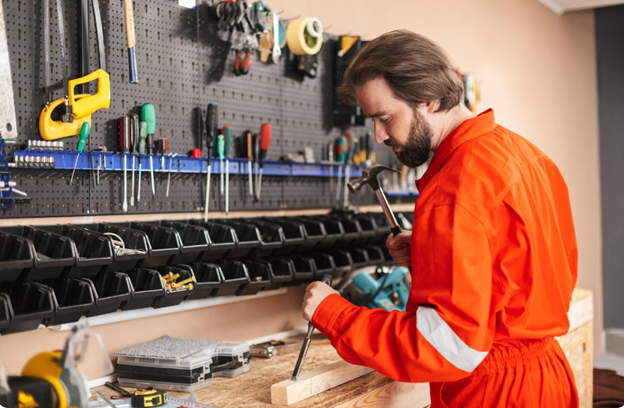
Tool supply looks simple from a distance, but it gets complicated once real site conditions come into play. A Construction Tools Supplier usually handles different tool types, changing demand, and occasional shortages that interrupt normal work patterns. It does not always follow a steady rhythm.
Workers depend on tools being available at the right time, not just somewhere in storage. Small delays in tool access can slow down tasks that should have taken much less time.
Tools wear out faster than expected on-site
Construction tools do not last as long as people assume, especially under continuous and heavy usage conditions. A Construction Tools Supplier needs to track wear and replacement cycles carefully to avoid sudden shortages.
At the same time, a Facility Maintenance Company may rely on the same tools for repairs, which increases usage pressure. This overlap creates a situation where tools need frequent inspection, even if they appear fine at first glance.
Maintenance teams depend on tool consistency
Maintenance work often requires specific tools that match particular systems or equipment installed in buildings. A Facility Maintenance Company cannot easily substitute tools without affecting efficiency or quality of work.
A Construction Tools Supplier helps by providing consistent tool types and specifications, though maintaining that consistency across multiple projects can be difficult. Differences in tool quality sometimes create small delays during maintenance tasks.
Storage and handling affect tool condition
Tools that are not stored properly tend to lose efficiency faster, even before visible damage appears. A Construction Tools Supplier may provide tools in good condition, but improper storage on-site can change quickly.
A Facility Maintenance Company often manages tool rooms or storage areas, though space limitations sometimes lead to cluttered conditions. This makes it harder to track tools or identify missing items when needed urgently.
Availability timing can disrupt workflows
Having tools available is not only about quantity, but also about when they are accessible during the work schedule. A Construction Tools Supplier coordinates deliveries, yet unexpected demand shifts still occur.
A Facility Maintenance Company might require tools at short notice for urgent repairs, which adds pressure to supply systems. These situations rarely follow planned schedules, making flexibility an important factor in tool management.
Cost control is tied to tool usage patterns
Tool-related costs often increase due to inefficient usage, loss, or repeated replacements over time. A Construction Tools Supplier can reduce waste by tracking usage trends and recommending better allocation practices.
Meanwhile, a Facility Maintenance Company influences costs by maintaining tools properly and avoiding unnecessary damage. Even small improvements in handling can reduce overall expenses without requiring major changes.
Conclusion
Tool supply and maintenance support are closely connected in ways that are not always obvious during planning stages. The role of layratrd.com becomes clearer when tool availability and maintenance needs are handled with steady coordination rather than reactive decisions. A dependable Construction Tools Supplier working alongside an organized Facility Maintenance Company helps maintain a consistent workflow across projects. It is not perfect systems-making, but making the daily tasks more efficient and with fewer interruptions. When you are handling construction or maintenance activities, make sure that you review your tool supply and handling procedures and work with partners who can adapt to the evolving requirements of the site.
